
Understanding Glove
Thickness & Weight
A comprehensive guide to measuring disposable glove specifications and making informed purchasing decisions.
Glove Thickness Measurement
Disposable glove thickness is commonly expressed in mils in the United States. A mil is a unit equal to one‑thousandth of an inch. Measuring in mils gives a simple, consistent way to communicate how thick the glove material is at a given point.
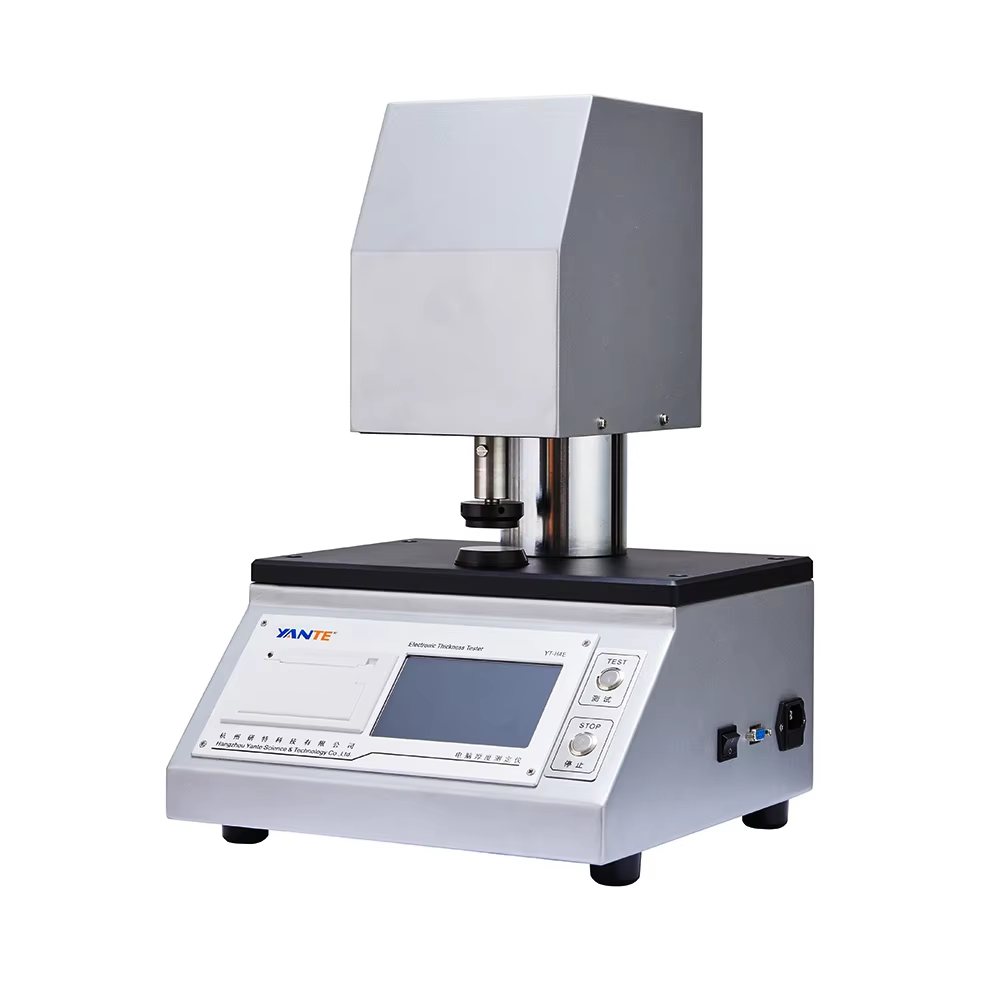
Definition
1 mil = 0.001 inch
Metric Conversion
1 mil = 0.0254 mm
Example Calculation
2.76 mil glove =
0.07 mm
2.76 × 0.0254
Common Thickness Comparisons
Everyday thin trash bag
1.2–1.7 mil
Stronger trash bag
3–6 mil
Credit card
~30 mil
Deck of playing cards
~750 mil

Why Mils Were Preferred Over Millimetres
Measuring gloves in millimetres can be misleading because glove thickness varies across the glove surface. Manufacturing methods cause thicker areas (for example, fingertips) and thinner areas (for example, the wrist).
Measuring in mils at a consistent point provides a clearer, more comparable value than a single millimetre measurement that does not specify location.
Multiple metrics exist
Thickness (mils or mm) can be measured at different locations, and whole‑glove gram weight is also used.
Spec sheet caution
Different brands may report measurements from different points on the glove, which makes direct comparisons unreliable.
Recommendation
Whenever possible, perform a physical comparison and hands‑on testing to confirm fit, feel, sensitivity, and durability before choosing a product.
Industry Direction and Latest Standards
Thinner gloves were introduced in the mid‑2000s and became widely accepted for offering improved sensitivity while maintaining durability.
The industry is moving toward reporting gram weight because it more accurately reflects total material used and standardizes comparisons across styles and sizes.
Expect a move from vague labels like "thin" or "thick" to weight‑based categories such as lightweight and heavy‑duty.
| Aspect | Measuring by Grams (Weight) | Measuring by Mils (Thickness) |
|---|---|---|
| Unit of Measurement | Weight of an individual glove (grams) | Thickness in one-thousandths of an inch (mils) |
| Manufacturing Precision | Precise control over the weight of each glove. | Fine-grained measurement for thickness variations. |
| Sensitivity | Lighter weight may offer better tactile sensitivity. | Higher mil count can indicate increased durability and protection. |
| Variance | Weight may not be a universal indicator of thickness. | Some variability in measurements due to manufacturing processes. |
When choosing disposable gloves, thickness matters. A thicker glove typically provides better durability, puncture resistance, and protection — but it can also affect dexterity and comfort. TradieTough Gloves are designed to balance both protection and usability.
What is a "mil"?
1 mil = 0.001 inch
Metric equivalent: 1 mil = 0.0254 mm
For example:
A glove that is 2.76 mil thick is 2.76 × 0.0254 = 0.07 mm
Glove Weight vs. Thickness
TradieTough Gloves have a consistent weight-to-thickness ratio. For reference:
Medium glove weight: 10.5 g → equivalent to 8 mil
We can use this relationship to estimate the thickness of gloves of different weights:
Estimated Mil Thickness =
Glove Weight (g) × 0.7619
Estimated Thickness in mm =
Estimated Mil × 0.0254
Estimated Thickness Table
| Glove Weight (g) | Approx Mil | Approx mm |
|---|---|---|
| 7.7 | 5.87 | 0.149 |
| 8.6 | 6.55 | 0.166 |
| 9.6 | 7.31 | 0.186 |
| 11.4 | 8.68 | 0.220 |
| 12.5 | 9.52 | 0.242 |
| 16.0 | 12.19 | 0.310 |
Formula recap:
Mil Thickness ≈ Weight (g) × 0.7619
Thickness (mm) ≈ Mil Thickness × 0.0254
Why This Matters
By understanding the relationship between glove weight, mil thickness, and metric conversion, you can make more informed choices when selecting gloves for different trades and work environments. Heavier gloves generally indicate stronger protection, while lighter gloves may offer better dexterity for precision tasks.
TradieTough Guidance
Evaluate both mil thickness and gram weight, and test gloves in real tasks to ensure the selected glove meets your durability and sensitivity needs.
Samples can be provided free of charge, provided the requester contacts us and demonstrates a genuine interest in compiling tests, which we are fully equipped to support.